From Volume to Value
How Klungkung’s 2025 Priorities Reward “Quality Tourism” Plays
Insight
Aug 22, 2025
4 min read

Klungkung’s 2025 plan is built to lift service quality, skills, and investment certainty, signalling a policy pivot from raw visitor counts to higher dwell-time, higher-spend tourism linked to culture, MSMEs and environmental standards. For investors, that means premium positioning around Gunaksa–Nusa Penida with strong ESG and local-sourcing strategies will be structurally advantaged.
1) Policy to product: what to build, where, and how
Provincial alignment: 2025 priorities include agriculture/marine/MSME-IKM, tourism, education/health, environment, infrastructure, governance—favouring projects that integrate local supply chains, training, and resilient utilities.
District priorities: Infrastructure for services, human capital, poverty-to-prosperity growth, bureaucracy reform—a clear roadmap to approvals and long-run operating stability.
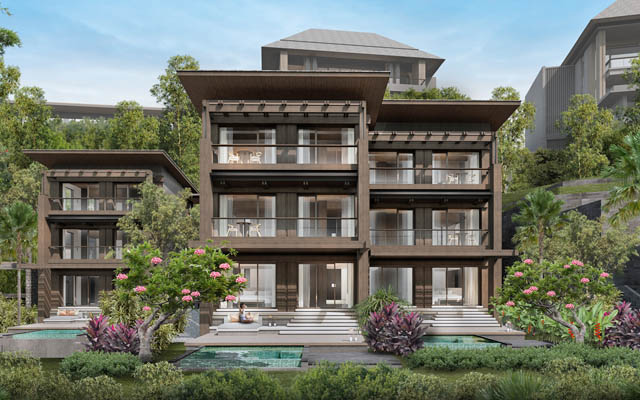
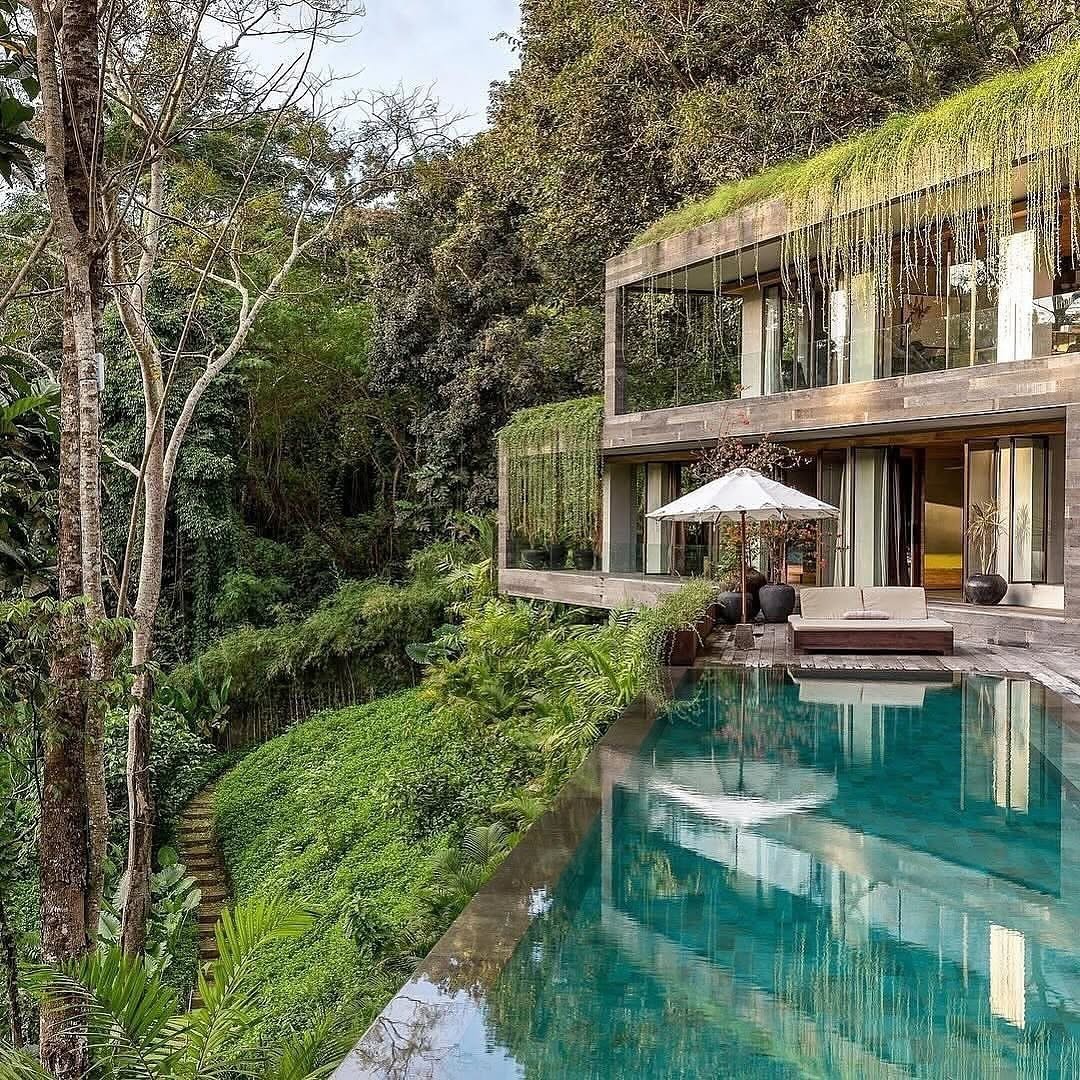
Investor takeaway: Hotel-resort, branded residences, and experience assets that (a) embed local MSME procurement, (b) demonstrate green design and waste/water management, and (c) contribute to skills pipelines will align cleanly with RKPD/RPD.
2) Demand signals around the PKB corridor
Tourism stock growth: Nusa Penida accommodation expanded 342 → 633 units (2018–2022); this tracks with post-pandemic rebound and sub-regional brand strength.
Rebound in visits & length of stay: Klungkung recorded a sharp 2022 visitation recovery, with dwell-time a key lever for spend per trip (policy notes emphasise improving this).
Investor takeaway: Position for longer-stay products (wellness, culinary, culture, dive/eco itineraries) vs. day-trip volume.
3) ESG & resilience as performance drivers
Government frameworks track environmental quality (air, water, land cover) and promote local waste and water solutions (e.g., TOSS program; water quality monitoring). Designs that internalise these systems de-risk permits and operating costs.
Investor takeaway: Budget for on-site sorting/processing, grey-water reuse, and biodiversity buffers. These aren’t just compliance—they’re brand and margin.
4) Financing & pipeline signals
Investment targets (RPD 2024–26): Rising PMDN targets to Rp 350–400B (2025–2026) and growing PMA ambitions indicate room for private capital in hospitality, F&B, and supporting services.
Actionable next steps (Santi Capital clients):
Site selection short-list within PKB–Nusa Penida catchment, prioritising utility access and community partnership potential.
Concept briefs that map to RKPD/RPD language (infrastructure, human capital, MSME linkages).
ESG pre-design pack: water, waste, energy baselines referencing district indicators.
Continue reading
Start with clarity
We invite you to begin with a private consultation.
Connect
Santi Capital
Available Land Sites